
A Co-op Tour with the Cooperative Leaders & Scholars Fellows
The Cooperative Leaders & Scholars Fellowship (CLS) was started by the Cooperative Development Foundation (CDF) in the 1990s. While the name and format has changed over the years, the intention has remained the same - to provide professional development and networking to emerging cooperative leaders and scholars. This year I was accepted to join a group of 22 people across the U.S., Puerto Rico, and Canada to learn and build together over the course of 8 months. The cross-sectoral representation of student housing, rural electric, art, and more was just a glimpse into how expansive the cooperative ecosystem is.
The fellowship is hybrid, with virtual skillbuilding and in person opportunities for network weaving and visiting cooperatives. Our first trip was to New York City and the Hudson Valley, places I know intimately, through living and building community there. I was introduced to new models, relationships, and deepened my knowledge of familiar places. The CDF team intentionally worked with Co-op Hudson Valley (a local cooperative developer and lender) to curate an itinerary that was informed by the interests of the fellowship members.
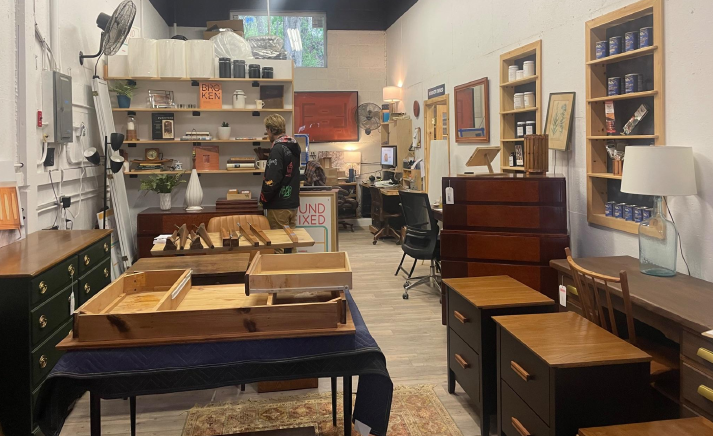
In the Hudson Valley, we visited the workspace and showroom of Found and Fixed, a worker-owned cooperative that reclaims and repairs wooden furniture. We saw and listened to the behind the scenes of running their business. One of the challenges they shared was retaining members due to the physical strain and low margins. This hasn’t deterred them from their mission of diverting furniture from the landfill, they will be working with a reuse center to discern what furniture can be upcycled and refurbished on a larger scale.
During lunch, we went to Rocksteady Farm - a queer led worker-owned cooperative on about 10 acres of land. They offer a sliding scale CSA and Pollinate, a beginning farmer training program. In collaboration with a few other food and land justice organizations, they pooled their resources and raised millions of dollars to create a regional food hub. We got to visit one of those partners, a neighboring farm called Wildseed. It has over 180 acres of land that was given as a form of reparations and offers free plots to local farmers of color.
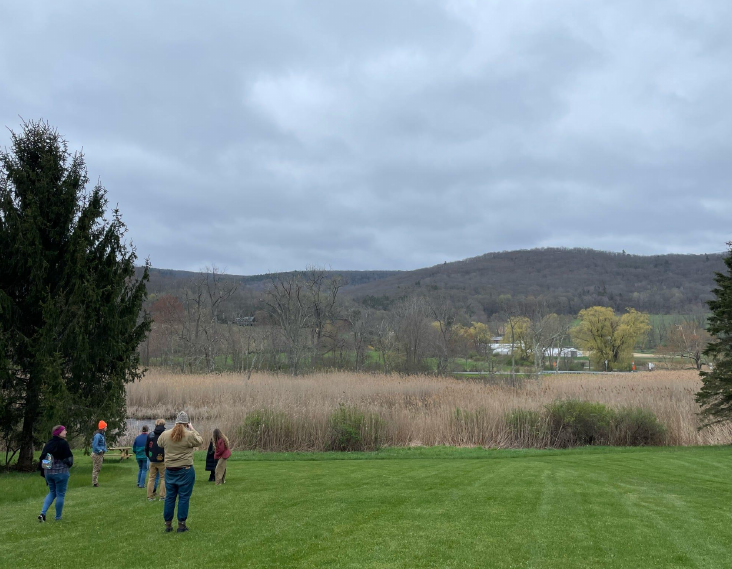
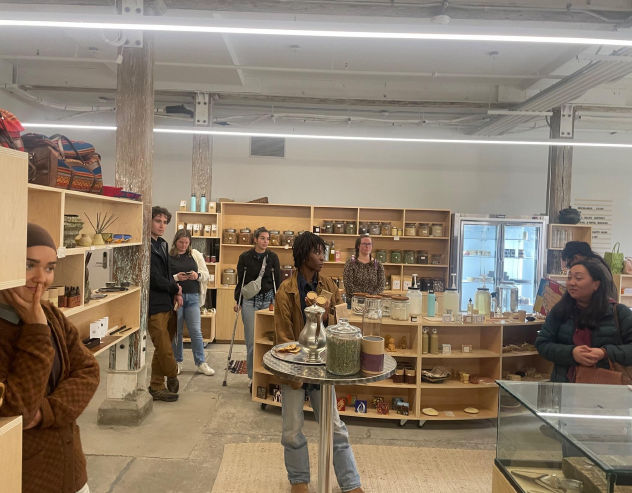
Our last stop in Hudson was Seedlings Cooperative, a less than a year old artisan producer-owned retail shop and refillery. Hudson has experienced rapid gentrification since the wave of folks from the city migrated during the pandemic. When Pocketbook Hudson Hotel swooped into the community, their development was met with apprehension by the locals. Seedlings was created to be a bridge for the community, it is a space for makers to have a stake in ownership, skillsharing, gathering, and cross-class integration.
In New York City, we visited the Urban Homesteading Assistance Board (UHAB), they’ve been supporting tenants in creating, managing, and sustaining affordable housing cooperatives since 1973. During the 80s in New York City when there was a wave of landlords abandoning buildings, community members squatted and repaired those apartment buildings. UHAB supported in converting them into limited equity housing cooperatives. Today, they are the largest developer of affordable housing cooperatives.
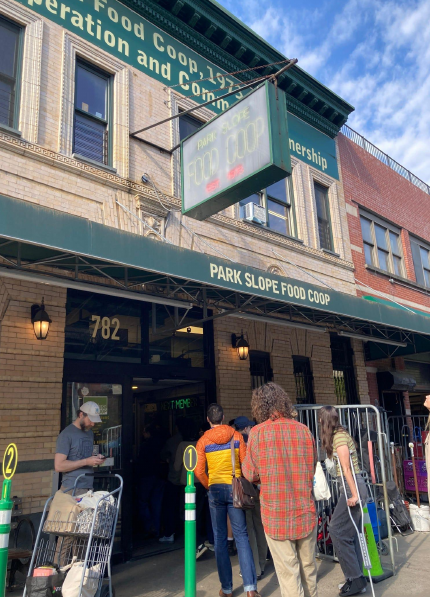
Another key model that has been essential to the growth of the cooperative movement was created in 1973, the Park Slope Food Co-op. We met with one of the founders Joseph Holtz, he shared how they started by finding fridges on the streets and operated out of one building. They have since expanded to owning 3 buildings with over 17,000 members. It is a members only co-op with an investment of $100 and 2.75 work hours requirement every 6 weeks. By being able to reduce overhead costs, members are able to save 20 - 40% on groceries. Since there are more members than in store hours available - members can fulfill their hours by supporting local cooperatives. They continue to be a pillar for food co-ops through their fund, it allows new co-ops that use member labor to access loans and free technical assistance.
The era of New Yorkers doing grassroots organizing to own real estate seems almost unfathomable now but co-ops are still reclaiming space even if they don’t own it. We visited Boyfriend Co-op in Bushwick, although their building is on the market for $15 million, they plan to continue sustaining it as a worker-owned co-op cafe and bar by and for the queer community. At just over a year old, they are creating a haven for co-working, cocktails, social justice organizing, and parties.
What if there were tours of solidarity economy models happening regularly across the U.S. and the world? The solidarity economy is easier to understand when it is experienced. These tours reveal that there is an ecosystem of cooperative models working to meet community needs, offering a tangible vision of an economy that puts people and the planet over profit. Attendees benefit from the opportunity to hear directly from members about their experiences, learn about the challenges they navigate, gain insight into daily operations, and see inspiring models of people not just resisting the dominant system but collectively building their own. The models themselves also benefit from extra visibility, patronage, and networking, it is a practice of reciprocity. By bringing people into direct relationship with these models, solidarity economy tours can help cultivate deeper understanding, connection, and commitment to co-creating the present and future we dream of.
Citations
Ebony Gustave (2026). A Glimpse Into New York’s Cooperative Ecosystem: A Co-op Tour with the Cooperative Leaders & Scholars Fellows. Grassroots Economic Organizing (GEO). https://www.geo.coop/articles/glimpse-new-yorks-cooperative-ecosystem
Comments
Matt Noyes
June 22, 2026, 2:42 am
Hey Ebony, great to see this. Thank you for writing up your thoughts and observations. It was cool to learn about some projects that are new to me, and to end with our friend Micaela Fisher's project (one of the co-founders of Boyfriend), which seems to be going strong! I hope you will consider writing up your experience in the CLS fellowship program.
Add new comment